Fleet Pickup Trucks For Sale: A Comprehensive Guide for Businesses
The backbone of many successful businesses, fleet pickup trucks are more than just vehicles; they are essential tools that drive productivity, efficiency, and profitability. Choosing the right fleet of pickup trucks is a significant investment, and navigating the market can be overwhelming. This comprehensive guide provides an in-depth look at everything you need to know about fleet pickup trucks for sale, from selecting the right models to managing costs and maximizing their lifespan.
Okay, here's a comprehensive blog post on fleet pickup trucks, designed for readability, SEO, and to provide genuine value to readers.
Why Fleet Pickup Trucks are Essential for Businesses
Pickup trucks offer unmatched versatility, capable of hauling heavy loads, navigating challenging terrains, and accommodating various job requirements. Unlike sedans or vans, pickup trucks can be configured to meet specific needs, making them ideal for a wide range of industries.
-
Versatility: Pickup trucks can be equipped with different bed lengths, cab configurations, and engine options. This adaptability allows businesses to tailor their fleet to specific tasks, whether it's construction, landscaping, delivery services, or field maintenance.
-
Towing and Hauling Capacity: The primary advantage of pickup trucks is their ability to tow trailers and haul heavy materials. This is crucial for businesses that need to transport equipment, supplies, or goods to job sites or customers.
/fleet-of-military-ships-at-sea-in-arabian-gulf--may-2003-200200836-001-59ab108e03f4020011e771c7.jpg)
-
Durability and Reliability: Fleet pickup trucks are built to withstand demanding conditions. They are designed with robust frames, heavy-duty suspensions, and powerful engines to ensure they can handle the rigors of daily use.
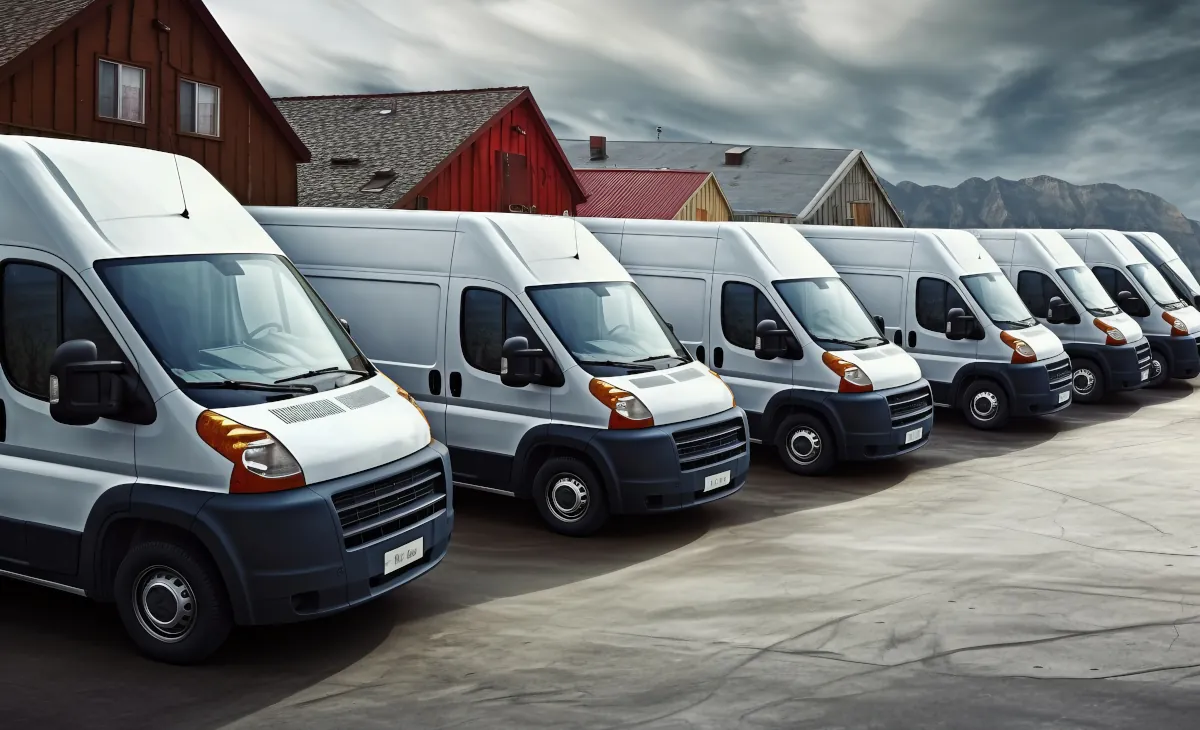
Customization Options: From ladder racks and toolboxes to specialized storage solutions, pickup trucks can be customized to optimize workflow and enhance efficiency. This level of customization is not typically available with other types of vehicles.
Factors to Consider When Choosing Fleet Pickup Trucks
Selecting the right fleet of pickup trucks requires careful consideration of your business needs, budget, and long-term goals.

-
Payload and Towing Capacity: Determine the maximum weight you need to haul and tow regularly. Consider the type of cargo, the terrain you'll be operating on, and any regulatory requirements related to weight limits.
-
Cab Configuration: Choose the cab configuration that best suits your crew size and passenger needs. Options include regular cab (two seats), extended cab (small rear seats), and crew cab (full-size rear seats).
-
Bed Length: Select the appropriate bed length based on the size and type of cargo you'll be carrying. Shorter beds are easier to maneuver in tight spaces, while longer beds provide more cargo space.
-
Engine Options: Evaluate the available engine options and choose the one that provides the right balance of power, fuel efficiency, and reliability. Consider factors such as horsepower, torque, and fuel type (gasoline, diesel, or hybrid).
-
Fuel Efficiency: Fuel costs can significantly impact your bottom line, so prioritize fuel-efficient models. Consider hybrid or electric options to reduce your carbon footprint and lower operating expenses.
-
Safety Features: Prioritize safety features such as anti-lock brakes, electronic stability control, airbags, and advanced driver-assistance systems (ADAS). These features can help prevent accidents and protect your employees.
-
Technology and Connectivity: Look for trucks with modern technology features such as infotainment systems, navigation, Bluetooth connectivity, and telematics. These features can improve driver productivity, communication, and vehicle management.
-
Budget: Set a realistic budget that includes the purchase price, financing costs, insurance, maintenance, and fuel expenses. Consider leasing options to lower upfront costs and simplify fleet management.
Popular Fleet Pickup Truck Models
The market offers a variety of pickup truck models, each with its own strengths and weaknesses. Here are some of the most popular options for fleet use:
-
Ford F-150: The Ford F-150 is a perennial favorite, known for its versatility, reliability, and wide range of configurations. It offers multiple engine options, including gasoline, diesel, and hybrid powertrains, as well as advanced technology features.
-
Chevrolet Silverado: The Chevrolet Silverado is a strong contender, offering a comfortable ride, powerful engines, and a range of trim levels. It is a great all-around truck for a variety of business needs.
-
Ram 1500: The Ram 1500 stands out for its refined interior, smooth ride, and innovative features. It offers a unique coil-spring rear suspension that enhances ride quality and handling.
-
GMC Sierra: The GMC Sierra is the Silverado's more luxurious sibling, offering premium features, advanced technology, and distinctive styling. It is a good choice for businesses that want to project a more upscale image.
-
Toyota Tacoma: The Toyota Tacoma is a mid-size pickup truck known for its reliability, off-road capability, and strong resale value. It is a popular choice for businesses that need a smaller, more maneuverable truck.
-
Toyota Tundra: The Toyota Tundra is a full-size pickup truck that offers a comfortable ride, powerful engine, and a reputation for reliability. It is a good choice for businesses that need a dependable workhorse.
Buying vs. Leasing Fleet Pickup Trucks
Choosing between buying and leasing fleet pickup trucks is a critical decision that depends on your business's financial situation, usage patterns, and long-term goals.
-
Buying:
- Pros: Ownership of the vehicle, ability to customize without restrictions, no mileage limits, potential for long-term cost savings, and asset that can be sold later.
- Cons: Higher upfront costs, responsibility for maintenance and repairs, depreciation, and potential for obsolescence.
-
Leasing:
- Pros: Lower upfront costs, predictable monthly payments, simplified fleet management, ability to upgrade to newer models more frequently, and potential tax advantages.
- Cons: No ownership of the vehicle, mileage limits, restrictions on customization, and potential for higher long-term costs.
Fleet Management Strategies for Pickup Trucks
Effective fleet management is crucial for maximizing the lifespan, efficiency, and cost-effectiveness of your pickup trucks.
-
Preventive Maintenance: Implement a regular maintenance schedule to catch potential problems early and prevent costly repairs. This includes oil changes, tire rotations, brake inspections, and fluid checks.
-
Driver Training: Provide comprehensive driver training to promote safe driving habits, reduce accidents, and improve fuel efficiency. This should include instruction on proper loading techniques, towing procedures, and vehicle maintenance.
-
Telematics Systems: Utilize telematics systems to track vehicle location, driver behavior, fuel consumption, and maintenance needs. This data can help you identify areas for improvement and optimize fleet performance.
-
Fuel Management: Implement strategies to reduce fuel consumption, such as monitoring driver behavior, optimizing routes, and using fuel-efficient driving techniques.
-
Tire Management: Maintain proper tire pressure, rotate tires regularly, and replace worn tires promptly to ensure optimal performance and safety.
-
Regular Inspections: Conduct regular inspections of your pickup trucks to identify any signs of damage or wear. This includes checking the body, frame, suspension, and brakes.
Cost-Saving Tips for Fleet Pickup Trucks
Managing costs is essential for maximizing the profitability of your fleet. Here are some tips to help you save money:
-
Negotiate Discounts: Negotiate discounts with dealerships, suppliers, and service providers. Volume discounts are often available for fleet purchases.
-
Consider Used Trucks: Evaluate the option of purchasing used pickup trucks to save money on the initial purchase price. Be sure to conduct a thorough inspection and review the vehicle's maintenance history.
-
Optimize Fuel Efficiency: Implement strategies to improve fuel efficiency, such as using fuel-efficient tires, reducing idling time, and driving at optimal speeds.
-
Reduce Maintenance Costs: Perform regular maintenance to prevent costly repairs and extend the lifespan of your vehicles.
-
Utilize Warranty Programs: Take advantage of warranty programs to cover unexpected repairs and reduce out-of-pocket expenses.
-
Monitor Driver Behavior: Monitor driver behavior to identify and correct unsafe driving habits that can lead to accidents and increased costs.
Common Mistakes to Avoid When Buying Fleet Pickup Trucks
-
Overlooking Total Cost of Ownership: Focusing solely on the purchase price without considering long-term costs such as fuel, maintenance, and insurance.
-
Failing to Assess Needs: Not accurately assessing your business's specific needs and selecting trucks that are not properly equipped or sized.
-
Ignoring Fuel Efficiency: Neglecting fuel efficiency and choosing trucks with poor gas mileage, leading to higher operating expenses.
-
Skipping Maintenance: Failing to perform regular maintenance, resulting in costly repairs and reduced vehicle lifespan.
-
Neglecting Driver Training: Overlooking driver training, leading to unsafe driving habits and increased accident rates.
Pro tips from us...
Based on my experience, it's wise to consult with other businesses in your industry to learn about their experiences with different truck models and fleet management strategies.
Before making a final decision, test drive several different models to evaluate their comfort, handling, and performance.
Consider working with a fleet management company to outsource tasks such as maintenance, repairs, and fuel management. This can free up your time and resources to focus on your core business.
The Future of Fleet Pickup Trucks
The future of fleet pickup trucks is evolving rapidly, with advancements in technology, electrification, and sustainability.
-
Electric Pickup Trucks: Electric pickup trucks are gaining popularity, offering zero emissions, lower operating costs, and impressive performance.
-
Hybrid Pickup Trucks: Hybrid pickup trucks offer a balance of fuel efficiency and power, combining a gasoline engine with an electric motor.
-
Autonomous Driving: Autonomous driving technology is being developed for pickup trucks, promising to improve safety, efficiency, and productivity.
-
Connectivity: Connected pickup trucks are becoming more common, offering advanced features such as over-the-air software updates, remote diagnostics, and real-time data analysis.
Conclusion
Choosing the right fleet of pickup trucks is a critical decision that can significantly impact your business's success. By carefully considering your needs, evaluating different models, and implementing effective fleet management strategies, you can maximize the value of your investment and drive your business forward. Staying informed about the latest trends and technologies will also help you make informed decisions and prepare for the future of fleet transportation.
For more insights into fleet management, check out this article on fleet management best practices (example external link).
Keywords: Fleet Pickup Trucks For Sale, Fleet Trucks, Pickup Trucks, Fleet Management, Commercial Trucks.
Internal Links: [Insert Link to another relevant article on your blog here] and [Insert Link to another relevant article on your blog here].