Salvage Pickup Trucks For Sale: A Comprehensive Guide to Finding, Evaluating, and Buying
Pickup trucks are known for their durability, versatility, and ruggedness. But buying a brand-new one can put a significant dent in your wallet. This is where salvage pickup trucks come into play, offering a more affordable option for those willing to invest some time and effort.
Salvage Pickup Trucks For Sale
This guide dives deep into the world of salvage trucks. We'll explore where to find them, how to assess their condition, the potential benefits and risks involved, and the steps to take before making a purchase.
Why Consider a Salvage Pickup Truck?
The primary allure of salvage pickup trucks is their price tag. You can often find them at a fraction of the cost of a new or even used truck. This can be incredibly appealing if you're on a tight budget or looking for a project vehicle.
Beyond the price, salvage trucks can be a great option for specific purposes. For example, you might need a work truck for a farm or construction site where aesthetics are less important than functionality. Or, you might be a skilled mechanic looking for a rewarding restoration project.
Where to Find Salvage Pickup Trucks for Sale
Finding salvage pickup trucks requires some digging, but several avenues exist. Each has its pros and cons, so it's essential to understand your options.

Online Auction Sites: Websites like Copart and Insurance Auto Auctions (IAA) are major players in the salvage vehicle market. They auction off vehicles from insurance companies, dealerships, and other sources. These sites offer a vast selection of trucks, but you'll need to register and often pay a fee to bid.
-
Local Salvage Yards: Don't overlook local salvage yards. They may not have the same online presence as the big auction sites, but they can offer hidden gems. You can often inspect the vehicles in person and negotiate directly with the seller. Based on my experience, local salvage yards can be a goldmine for finding specific parts or models.
-
Online Marketplaces: Websites like Craigslist and Facebook Marketplace can also list salvage trucks. Exercise caution when buying from private sellers. Thoroughly inspect the vehicle and ask plenty of questions.
-
Insurance Companies: Occasionally, insurance companies will sell salvage vehicles directly. Contacting them directly can sometimes yield good results.
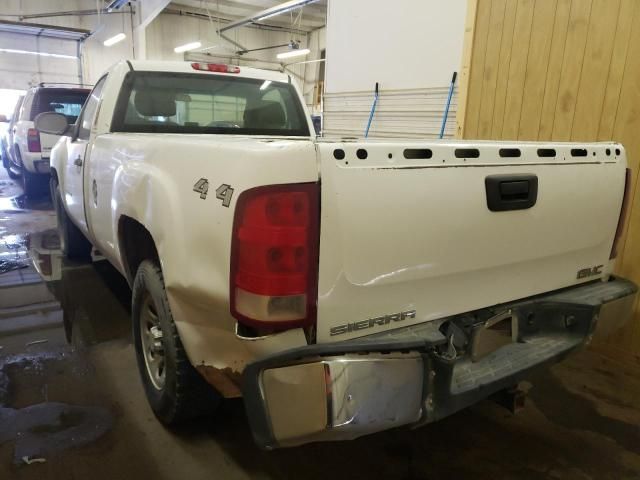
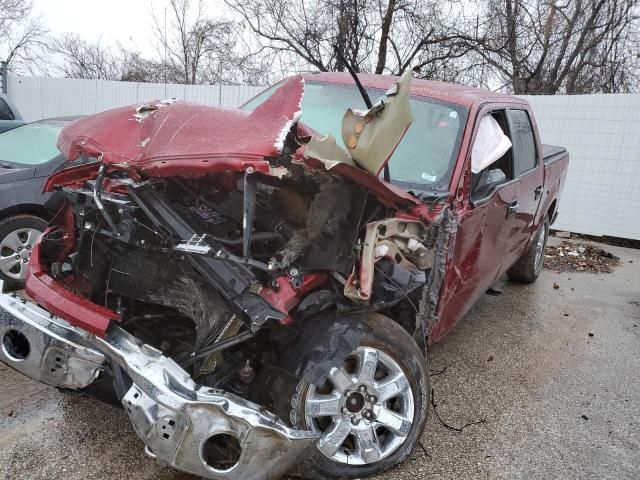
Decoding the Damage: Understanding Salvage Titles
A salvage title indicates that a vehicle has been declared a total loss by an insurance company. This usually happens when the cost of repairs exceeds the vehicle's market value. However, the severity of the damage can vary significantly.
-
Types of Salvage Titles: The exact terminology for salvage titles can vary by state. Common terms include "salvage certificate," "certificate of destruction," and "non-repairable vehicle certificate." Understanding the specific terms in your state is crucial.
-
Reasons for a Salvage A vehicle can receive a salvage title for various reasons, including collisions, floods, fire, or theft recovery with significant damage. Knowing the cause of the damage is essential for assessing the potential repair costs and risks.
Evaluating the Condition of a Salvage Pickup Truck
Before bidding on or buying a salvage truck, a thorough inspection is essential. This is where your mechanical knowledge or a trusted mechanic comes in handy.
-
Visual Inspection: Start with a comprehensive visual inspection. Look for signs of structural damage, such as bent frames, crumpled body panels, or misaligned doors. Check for rust, especially in areas prone to corrosion, like the undercarriage and wheel wells.
-
Mechanical Inspection: If possible, start the engine and listen for any unusual noises. Check the fluid levels (oil, coolant, transmission fluid) and look for leaks. Inspect the tires for wear and tear. Test the brakes, steering, and other essential functions.
-
Diagnostic Scan: A diagnostic scan can reveal hidden problems that aren't immediately apparent. This can identify issues with the engine, transmission, or other electronic systems.
-
Title History Check: Always run a title history check using the Vehicle Identification Number (VIN). This can reveal the vehicle's accident history, previous owners, and any outstanding liens. Services like Carfax or AutoCheck can provide this information.
The Risks and Rewards of Buying Salvage Trucks
Buying a salvage pickup truck is not without its risks. However, the potential rewards can be significant if you do your homework and proceed carefully.
-
Potential Risks: Hidden damage, high repair costs, difficulty obtaining insurance, and potential safety concerns are all potential risks. It's crucial to factor these risks into your decision-making process. Common mistakes to avoid are underestimating repair costs and neglecting to perform a thorough inspection.
-
Potential Rewards: Significant cost savings, the opportunity to restore a vehicle to its former glory, and the satisfaction of completing a challenging project are all potential rewards. Plus, you can customize the truck to your exact specifications.
The Buying Process: Step-by-Step Guide
The buying process for salvage pickup trucks can vary depending on where you're purchasing the vehicle. However, some general steps apply.
-
Research and Identify Potential Trucks: Start by researching different models and identifying trucks that meet your needs and budget.
-
Inspect the Vehicle: Thoroughly inspect the vehicle in person or hire a qualified mechanic to do it for you. Don't rely solely on online photos or descriptions.
-
Obtain a Title History Report: Run a title history check to uncover any hidden problems.
-
Determine Your Budget: Calculate the cost of repairs, parts, and any other expenses. Factor in a buffer for unexpected costs.
-
Bid or Negotiate: If you're buying at auction, set a maximum bid and stick to it. If you're buying from a private seller, negotiate the price based on the vehicle's condition and your budget.
-
Secure Financing (If Needed): If you need financing, explore your options and get pre-approved before making a purchase.
-
Complete the Paperwork: Ensure all paperwork is completed accurately and legally. This includes the bill of sale, title transfer, and any other required documents.
-
Arrange for Transportation: Arrange for transportation of the vehicle to your home or repair shop.
Getting a Salvage Truck Road-Ready: Repairs and Inspections
Once you've purchased a salvage truck, the next step is to get it road-ready. This may involve extensive repairs and inspections.
-
Repairs: Depending on the extent of the damage, repairs may include bodywork, mechanical repairs, and electrical repairs. Prioritize safety-related repairs, such as brakes, steering, and suspension.
-
State Inspections: Most states require a special inspection for salvage vehicles before they can be registered and driven on public roads. This inspection ensures that the vehicle meets safety standards. Check with your local Department of Motor Vehicles (DMV) for specific requirements.
-
Rebuilt After the vehicle passes inspection, you'll receive a rebuilt title. This indicates that the vehicle has been repaired and is safe to drive.
Insurance Considerations for Salvage Vehicles
Obtaining insurance for a salvage vehicle can be more challenging than insuring a vehicle with a clean title. Some insurance companies may be hesitant to insure salvage vehicles, or they may charge higher premiums.
-
Finding Insurance: Shop around and compare quotes from different insurance companies. Be upfront about the vehicle's salvage history.
-
Coverage Options: Understand the coverage options available for salvage vehicles. You may not be able to get full coverage, but liability coverage is usually required.
The Environmental Impact of Salvage Vehicles
Buying and repairing salvage vehicles can have a positive environmental impact. It reduces the demand for new vehicles, which conserves resources and reduces pollution.
-
Recycling Parts: Salvage yards play a vital role in recycling vehicle parts. This reduces waste and saves energy.
-
Extending Vehicle Lifespan: Repairing and restoring salvage vehicles extends their lifespan, which reduces the need for new vehicles.
Pro tips from us: Always factor in unexpected costs. Salvage projects almost always run over budget. It's better to overestimate than underestimate.
Final Thoughts: Is a Salvage Pickup Truck Right for You?
Buying a salvage pickup truck can be a rewarding experience. It offers the opportunity to save money, learn new skills, and customize a vehicle to your exact specifications. However, it's not for everyone.
If you're considering a salvage truck, be prepared to invest time, effort, and money. Do your research, inspect the vehicle thoroughly, and understand the risks involved. But if you're up for the challenge, a salvage pickup truck can be a great way to get a reliable and affordable vehicle.
Ultimately, the decision of whether or not to buy a salvage pickup truck depends on your individual circumstances, budget, and skills. If you approach it with caution and do your homework, it can be a worthwhile investment.
External Link: For more information on vehicle titles and salvage regulations, visit the National Motor Vehicle Title Information System (NMVTIS).
Internal Linking:
- Consider linking to an article on your site about "Essential Tools for Automotive Repair" if you have one.
- If you have an article about "How to Inspect a Used Car," link to it for readers who want more detail on that process.
I hope this comprehensive guide provides valuable information and helps you make an informed decision about buying a salvage pickup truck. Good luck with your search!